Maine lobster. Did you know?
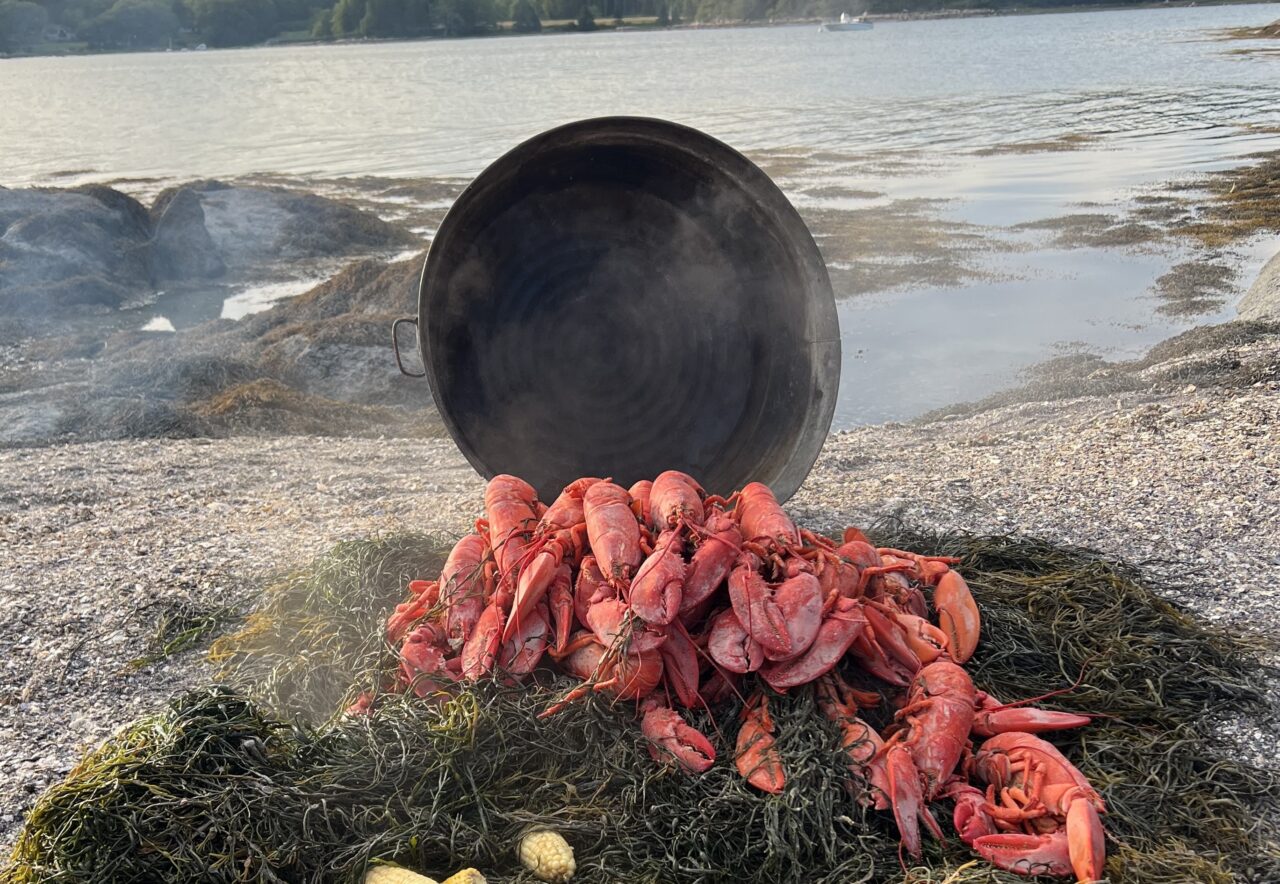
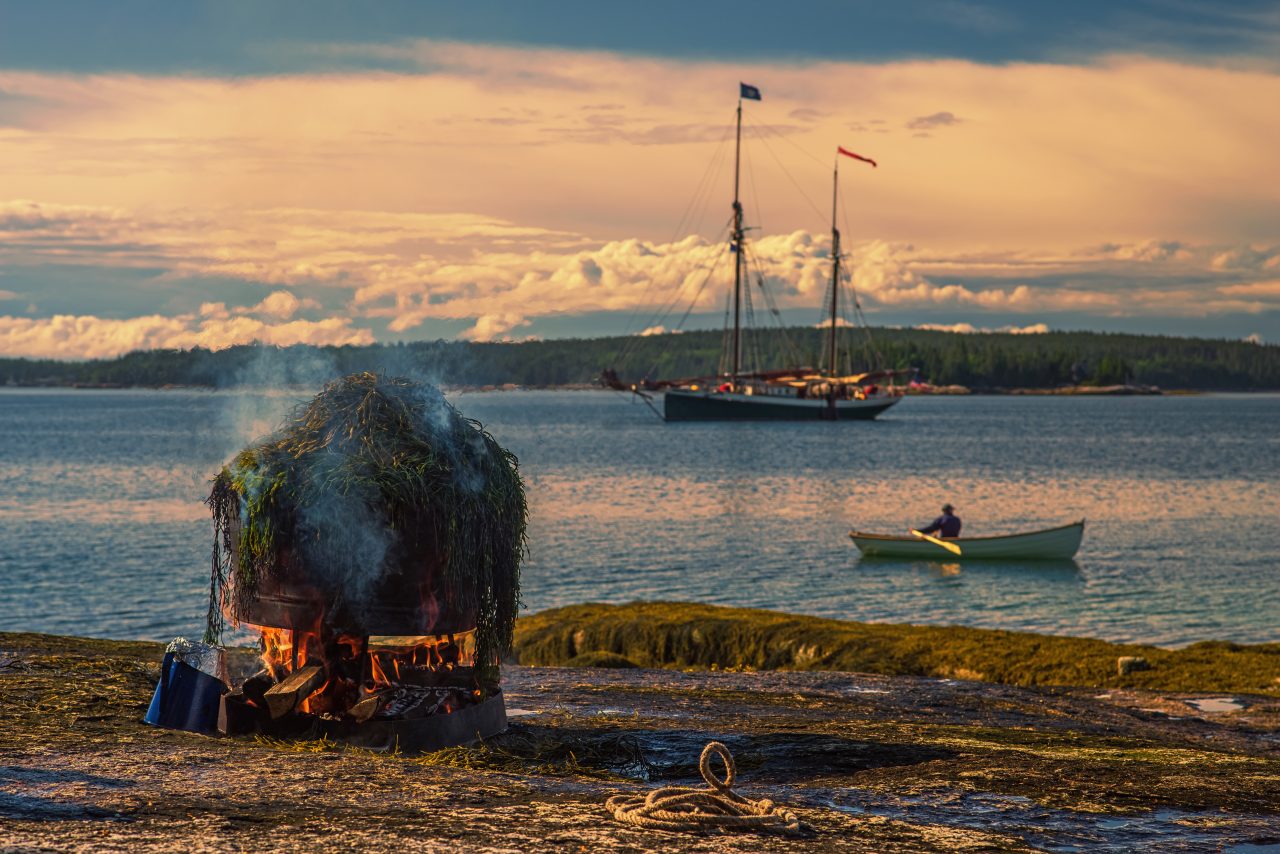
If you measure a vacation in unforgettable meals, the Maine windjammer lobster bake ranks right near the top. With piles of freshly steamed lobster, drawn butter, great company, and a schooner anchored in the background, it’s the kind of feast that lives in your memory forever. So, in honor of Foodie February, we’re shining a light on the lobstering tradition that brings it all to the table. Or in this case, the beach.
The lobster industry has a surprising history. In the 1600s and 1700s, lobster was so abundant in Maine that it was used as fertilizer and commonly eaten by the poor, prisoners, and indentured servants. There’s a popular legend purporting that some servants grew so tired of lobster that they rebelled, demanding their contracts include a clause limiting how often they could be forced to eat it. While historians debate whether this legend is true, the story speaks volumes about how differently lobster was viewed at the time.
Over time, tastes changed, of course. As city dwellers in Boston and New York discovered the sweet, rich flavor of Maine lobster, demand grew. What was once considered a lowly staple became a prized delicacy, and today the lobster industry is a cornerstone of Maine’s coastal economy.
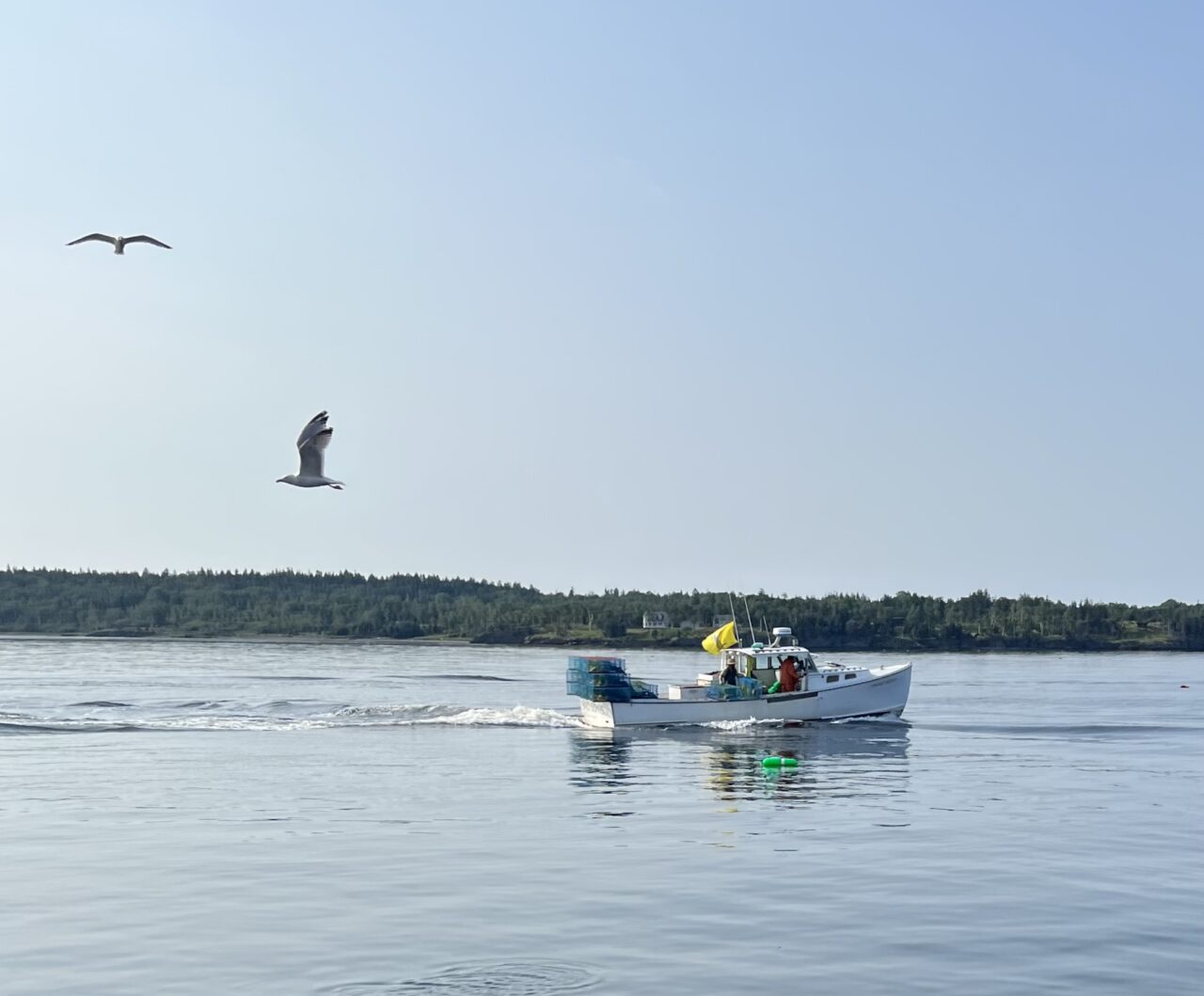
Regulations ensuring the sustainability of the lobster populations (and therefore fishermen’s livelihoods) began as early as the 1870s and now the lobster fishery is one of the only fisheries still alive and well. There are rules controlling the number and types of traps, times they can be fished, and what lobsters can be kept.
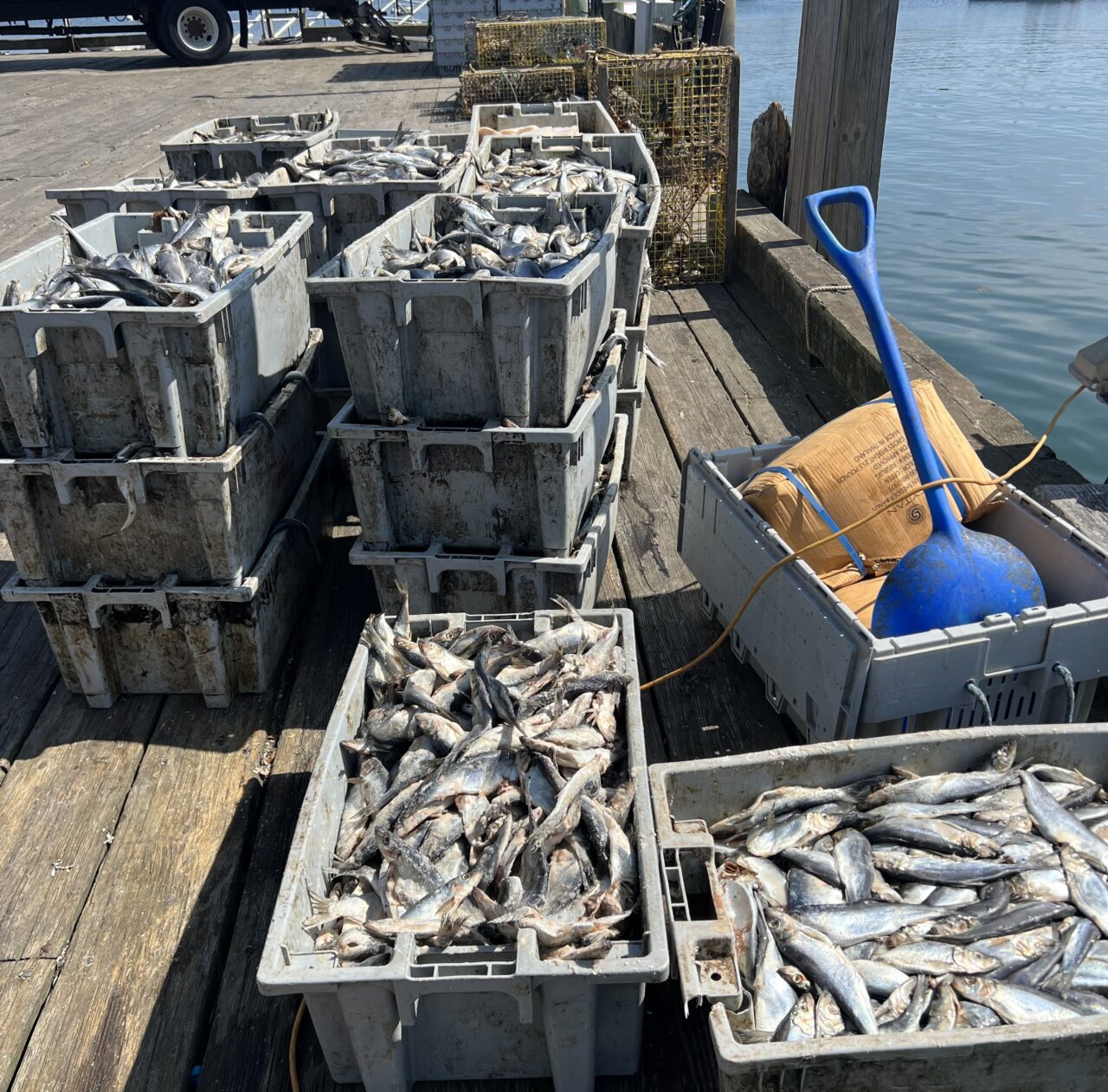
Traps and Buoys: A licensed Maine lobsterman may set up to 800 traps, depending on their license and fishing zone. Each trap is carefully baited with a fish such as herring or pogies and lowered to the ocean floor, marked with bright buoys. The traps must be designed with a small opening through which undersized lobsters and other small animals can escape. There’s also a hatch held closed with bio-degradable rings. If the trap gets cut loose and lays unattended on the ocean floor (called a ghost trap), the rings will eventually degrade, allowing the hatch to open and the lobsters to escape.
Hauling and Sorting: Traps are hauled on a regular schedule, often daily or every other day. Lobsters are meticulously sorted: only those within a certain size range are kept, and female lobsters bearing eggs are released (with a tail notch so they can’t be kept later).

So how much lobster do Maine lobstermen catch? In 2024, Maine’s lobster industry caught 86 million pounds, bringing in $528.4 million. This is actually a decrease in poundage from previous years. Whether the decrease continues remains to be seen, but lobstermen remain dedicated to their craft, and we do our part to support them. Each Windjammer will typically purchase between 45 and 65 pounds of lobster per trip (so there’s plenty to have more than one!). It’s a safe estimate that among the fleet we purchase 15,000 pounds each season.
We’ll often hear guests say that this is THE.BEST.LOBSTER.THEY’VE.EVER.HAD. What’s the secret? Well, they’re fresh. Real fresh. Captains will often buy lobsters right off the dock at a small island “co-op” before the lobsters are sent to a store. And, they’re steamed in salt water, not boiled, so the shells don’t fill with water and they’re less likely to overcook. And the final secret? The setting of course. On a Maine beach with shipmates and a schooner swaying in the background.
Categories: Food and Recipes, MishMash: fun facts, trivia and recommendations